Inflammation is a common root cause.
Chronic low-grade inflammation is one of the most significant contributors to skin problems. Inflammation accelerates collagen breakdown, disrupts the skin barrier, and impairs cellular repair.
Gut imbalance is a major driver of this inflammatory state. Dysbiosis can increase intestinal permeability, allowing bacterial fragments to enter circulation and activate immune responses. This process creates a constant inflammatory burden, placing stress on the skin.
Over time, this inflammation may manifest as acne, eczema, rosacea, redness, sensitivity, or accelerated ageing.
The role of the gut microbiome in immune regulation
The gut is home to a large portion of the immune system. Immune cells in the gut constantly interact with gut bacteria to determine what should trigger a response and what should be tolerated.
When the microbiome is healthy, immune responses are balanced and controlled. When microbial diversity is reduced, immune regulation may become impaired, leading to exaggerated inflammatory reactions that affect the skin.
This explains why skin flare-ups often occur during periods of digestive distress, stress, illness, or after antibiotic use.
Nutrient absorption and skin quality
Healthy skin depends on a steady supply of nutrients. Vitamins, minerals, amino acids, and fatty acids are all required for collagen synthesis, cellular repair, and barrier integrity.
Gut imbalance can impair the digestion and absorption of these nutrients. Even when the diet appears adequate, poor absorption may limit the availability of key nutrients, including vitamin C, zinc, iron, and amino acids involved in collagen production.
This may result in skin that appears dull, dry, or less elastic despite good dietary habits.
Collagen, ageing, and gut health
Collagen is the structural protein that gives skin firmness and elasticity. From the age of 30 onward, collagen production gradually declines, while breakdown accelerates.
Inflammation further accelerates collagen degradation. Because gut health plays a central role in regulating inflammation, it indirectly influences the rate of collagen loss.
Supporting gut balance helps reduce inflammatory signalling and improves the conditions needed for collagen synthesis and tissue repair.
Collagen support strategies are therefore more effective when gut health is addressed simultaneously.
The gut microbiome and acne in adults
Adult acne is often driven by inflammation, hormonal signalling, and immune responses rather than surface bacteria alone. Gut imbalance may influence acne development through inflammatory pathways and altered immune regulation.
Changes in gut bacteria can affect how hormones are metabolised and eliminated, contributing to hormonal fluctuations that influence sebum production and skin inflammation.
Supporting gut balance may help reduce the frequency and severity of breakouts over time.
Skin sensitivity and barrier dysfunction
Skin sensitivity and reactivity are often signs of barrier dysfunction. While topical products can help soothe symptoms, internal factors frequently contribute to barrier instability.
Gut imbalance can increase systemic inflammation and alter immune responses, making the skin more reactive to environmental triggers such as temperature changes, cosmetics, or pollutants.
Restoring gut balance helps stabilise immune signalling and may reduce skin sensitivity over time.
Common factors that disrupt both gut and skin health
Several lifestyle factors simultaneously affect gut and skin health:
- Diets low in fibre and high in ultra-processed foods
- Excessive sugar intake, which promotes inflammation and glycation
- Chronic psychological stress
- Poor sleep quality
- Frequent antibiotic use
These factors reduce microbial diversity, increase inflammatory burden, and impair skin repair processes.
Supporting gut health for healthier skin
Improving skin health begins with restoring gut balance. Dietary fibre plays a key role by feeding beneficial bacteria and supporting microbial diversity. Vegetables, legumes, seeds, and whole grains help regulate inflammation and improve nutrient absorption.
Fermented foods introduce beneficial microbes that support immune balance and gut stability when consumed regularly and in moderation.
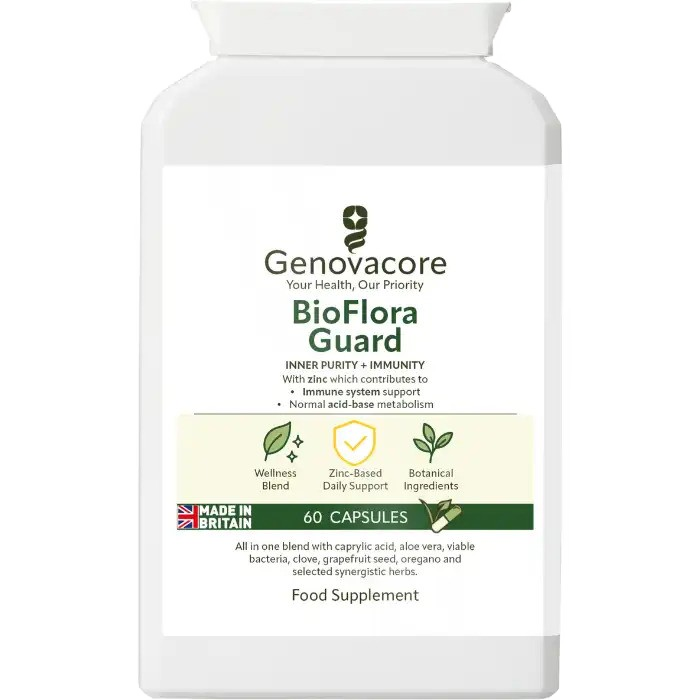
In cases of persistent digestive imbalance, post-antibiotic recovery, or chronic skin issues, targeted probiotic support may be appropriate. Formulations that include resilient, spore-forming strains are often used to support microbial balance due to their stability and compatibility with the digestive tract.
Products such as BioFlora Guard are designed with this approach in mind, focusing on gut resilience and immune regulation rather than short-term symptom suppression.
Collagen support in the context of gut health
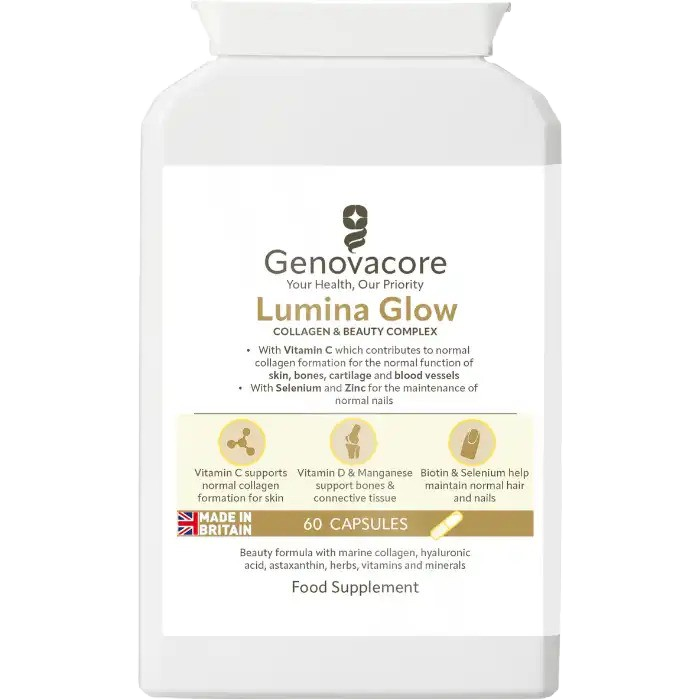
Collagen supplementation is widely used to support skin elasticity and structure. However, its effectiveness depends on digestion, absorption, and the body's inflammatory environment.
Hydrolysed collagen provides amino acids required for collagen synthesis, but these building blocks must be absorbed and utilised effectively. Gut imbalance may limit this process.
Formulations such as Collagen Ultra Beauty are designed to support collagen availability within a broader nutritional context, complementing gut-supportive strategies rather than acting as isolated solutions.
Lifestyle foundations that support gut and skin health
Adequate sleep is essential for skin repair and immune regulation. Sleep disruption alters gut microbiota composition and increases inflammatory signalling, both of which negatively affect skin health.
Stress management is equally important. Chronic stress disrupts gut balance through hormonal pathways and accelerates skin ageing.
Regular physical activity supports circulation, gut motility, and nutrient delivery to the skin.
These foundations work together to create an internal environment that supports skin resilience.
Why topical skincare alone is not enough
Topical skincare addresses symptoms at the surface but does not correct underlying inflammatory or metabolic imbalances. Without internal support, results are often temporary or incomplete.
Healthy skin requires a stable internal environment that supports collagen synthesis, immune balance, and efficient repair processes.
A long-term perspective on skin health
Skin health is not achieved through quick fixes. It reflects the cumulative effects of diet, gut health, lifestyle, and ageing.
Addressing gut balance supports skin health naturally and sustainably. Improvements may occur gradually, but they tend to be more stable and long-lasting.
Conclusion
Skin health does not begin with creams or serums. It starts in the gut. The gut microbiome influences inflammation, immune regulation, nutrient absorption, and collagen integrity, all of which shape the condition of the skin.
By supporting gut health through fibre-rich nutrition, lifestyle consistency, and targeted microbial support when appropriate, it is possible to improve skin quality from the inside out. Addressing the root causes of skin imbalance creates a foundation for healthier, more resilient skin over time.