Why absorption matters more than dosage
Many collagen products emphasise high doses, suggesting that higher doses automatically lead to better results. In reality, the body’s ability to absorb and utilise collagen is limited by digestive capacity, nutrient availability, and metabolic conditions.
If digestion is compromised or nutrient absorption is impaired, increasing collagen intake alone may not improve outcomes. The body can only use what it can properly absorb and integrate into tissue repair processes.
Adequate collagen support, therefore, depends on factors that influence digestion, absorption, and utilisation, not simply on quantity.
The importance of collagen form
The form of collagen plays a critical role in absorption. Native collagen molecules are large and difficult to digest. Hydrolysed collagen, also known as collagen peptides, has been broken down into smaller fragments that are easier for the digestive system to process.
Research suggests that specific collagen-derived peptides can be absorbed intact and may act as signalling molecules, stimulating collagen-producing cells known as fibroblasts. This signalling effect is one reason hydrolysed collagen is generally preferred in effective formulations.
Collagen formulas that use poorly processed or low-quality collagen may provide amino acids but lack these functional peptides, reducing their overall effectiveness.
Digestive health and collagen absorption
Collagen absorption begins in the digestive tract. Proper stomach acid levels, enzyme activity, and intestinal integrity are all required for efficient breakdown and uptake of collagen peptides.
Gut imbalance can interfere with this process. Reduced stomach acid, impaired enzyme secretion, or increased intestinal permeability may limit collagen absorption even when intake is adequate.
Chronic gut inflammation can also divert resources away from tissue repair and collagen synthesis, prioritising immune responses instead. Supporting gut health is, therefore, a foundational step in improving collagen effectiveness.
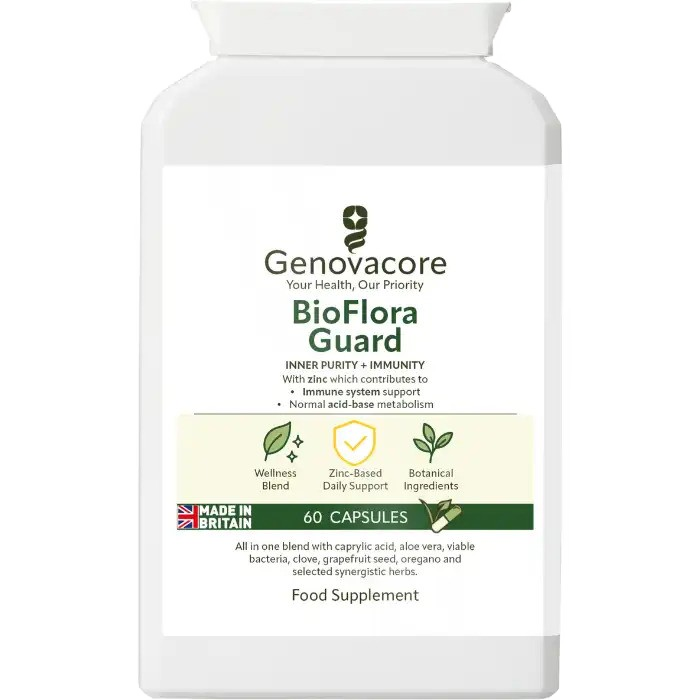
Targeted gut support, such as that provided by formulations like BioFlora Guard, is often used to help stabilise the digestive environment and support nutrient absorption as part of a comprehensive collagen strategy.
The role of amino acid balance
Collagen is rich in specific amino acids, particularly glycine, proline, and hydroxyproline. These amino acids are essential for collagen synthesis, but they must be present in sufficient and balanced amounts.
However, collagen alone does not provide all essential amino acids. For collagen synthesis to proceed efficiently, the body also requires adequate overall protein intake from dietary sources.
When total protein intake is insufficient, collagen peptides may be diverted to meet general protein needs rather than being used explicitly for collagen production. This is why collagen works best as a complement to, not a replacement for, a balanced diet.
Vitamin C: a critical cofactor
Vitamin C plays a central role in collagen synthesis. It is required for the enzymatic reactions that stabilise collagen fibres and allow them to form strong, functional structures.
Without sufficient vitamin C, collagen production is impaired, regardless of collagen intake. This is why collagen formulas that include vitamin C, or routines that ensure adequate dietary vitamin C, tend to be more effective.
Vitamin C also acts as an antioxidant, helping protect existing collagen from oxidative damage.
Minerals that support collagen production
Several minerals are involved in collagen metabolism. Zinc supports enzyme activity and tissue repair. Copper plays a role in collagen cross-linking, which gives collagen its strength. Iron supports oxygen delivery to tissues, which is essential for cellular repair processes.
Deficiencies in these minerals can limit collagen synthesis even when collagen intake is adequate. Digestive health again plays a role, as mineral absorption depends on gut function and inflammation status.
Inflammation as a barrier to collagen effectiveness
Chronic low-grade inflammation accelerates collagen breakdown and interferes with collagen synthesis. Inflammatory signalling shifts the body’s priorities away from repair and toward immune defence.
This means that collagen supplementation is less effective in the presence of ongoing inflammation. Addressing inflammatory drivers such as gut imbalance, poor sleep, stress, and excessive sugar intake is essential for collagen support to produce visible results.
Reducing inflammation helps preserve existing collagen and improves the body’s ability to use collagen-derived amino acids for repair.
Hormonal influences on collagen absorption and use
Hormones influence collagen metabolism. Estrogen, in particular, supports collagen synthesis and skin thickness. As estrogen levels decline with age, collagen production slows, and breakdown accelerates.
This hormonal shift partially explains why collagen needs increase after the age of 30 and why results may appear more gradual. Supporting hormonal balance through lifestyle and nutrition helps optimise collagen utilisation over time.
Timing and consistency in collagen intake
Collagen supplementation is not an acute intervention. Benefits typically emerge after weeks or months of consistent use. Sporadic intake is unlikely to produce noticeable effects.
Some research suggests that collagen taken consistently, rather than in large intermittent doses, is more effective. Consistency ensures collagen peptides are consistently available for tissue repair and signalling processes.
Timing may also matter. Collagen is often taken with meals or alongside vitamin C–rich foods to support absorption and utilisation.
Collagen and skin health: managing expectations
Collagen supplementation supports skin health by improving elasticity, hydration, and structural integrity over time. It does not act as an instant cosmetic solution.
Visible changes depend on multiple factors, including age, baseline collagen levels, gut health, inflammation, and lifestyle habits. Collagen works best as part of a broader internal support strategy rather than as a standalone fix.
Why formulation quality matters
An effective collagen formula considers more than just collagen content. Source quality, processing methods, peptide profile, and the inclusion of supportive nutrients all influence outcomes.
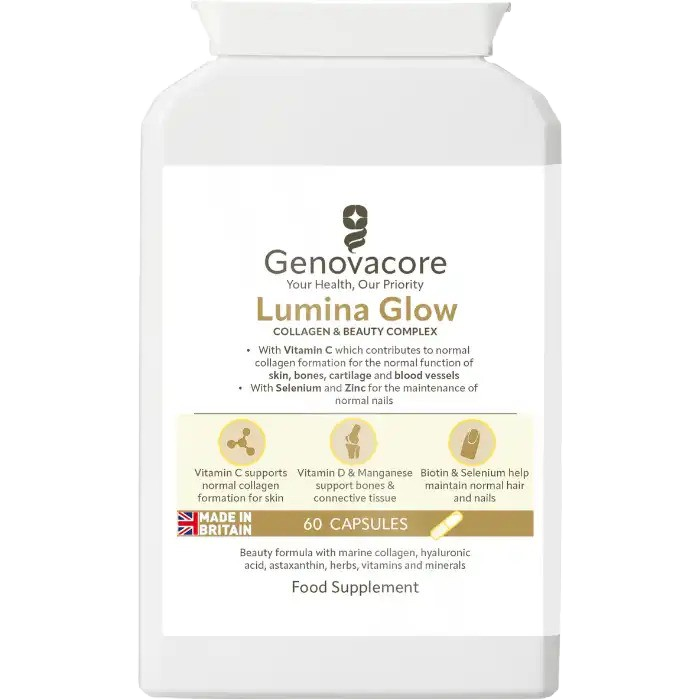
Formulations such as Collagen Ultra Beauty are designed to provide hydrolysed collagen alongside nutrients that support its absorption and utilisation, aligning collagen intake with the body’s physiological requirements rather than relying solely on high doses.
This approach reflects an understanding that collagen effectiveness depends on how the body processes and integrates it.
A systems-based approach to collagen support
Collagen absorption and effectiveness depend on several interconnected systems: digestion, nutrient status, inflammation control, hormonal balance, and lifestyle habits.
Addressing only one element rarely produces optimal results. A systems-based approach recognises that collagen support is part of overall tissue health rather than an isolated intervention.
Conclusion
Collagen effectiveness is not determined solely by how much collagen is consumed. It depends on digestion, absorption, nutrient cofactors, inflammation levels, and the body’s ability to synthesise and preserve collagen.
Choosing the proper collagen form, supporting gut health, ensuring adequate vitamin and mineral intake, and maintaining lifestyle habits that reduce inflammation all contribute to better outcomes.
When collagen supplementation is integrated into a balanced, evidence-based routine, it can support skin, joint, and connective tissue health in a way that is sustainable and aligned with the body’s natural repair processes.